The allure of risk and reward
The psychology of casino players is intricately linked to the allure of risk and reward. Many individuals are captivated by the excitement of betting and the potential for substantial financial gains from an online casino that accept neosurf experience. This thrill-seeking behavior is often rooted in a fundamental human desire for adventure and an escape from the mundane routines of daily life. The rush experienced when placing a bet can stimulate the release of dopamine in the brain, reinforcing the cycle of gambling as a pleasurable and rewarding experience.
Moreover, this dynamic of risk and reward transcends monetary value; it encompasses the thrill of uncertainty as well. The suspense that builds while waiting for an outcome—be it the spinning of a roulette wheel or the flipping of a card—creates a heightened sense of awareness and excitement. For many players, this psychological engagement can become addictive, as they return to the gaming floor repeatedly, hoping to replicate that exhilarating feeling. The prospect of winning big becomes a compelling motivator, fueling their desire to gamble.
Additionally, many players consciously or subconsciously utilize gambling as a coping mechanism to alleviate stress or escape from reality. The casino environment, rich with vibrant lights, captivating sounds, and opportunities for social interaction, provides an enticing distraction from the pressures of everyday life. This form of escapism can lead to a compulsion that overshadows rational decision-making, driving players to chase losses or continue playing even when faced with unfavorable odds. A comprehensive understanding of this psychological need is essential in recognizing the complex relationship many individuals have with gambling.
The impact of cognitive biases
Cognitive biases significantly shape how players perceive their chances of winning in casinos. One of the most prevalent biases is the illusion of control, where players mistakenly believe they can influence outcomes in games of chance. For instance, a player might think that employing a specific strategy or betting system could enhance their odds. This false sense of empowerment can lead to increased gambling activity, as players feel they possess greater control over their results, despite the reality that many casino games hinge solely on luck.
Another common cognitive bias is the gambler’s fallacy, which is the erroneous belief that past outcomes will affect future events. For example, if a player observes red winning multiple times on a roulette wheel, they may assume that black is “due” for a win. This flawed reasoning can lead to escalated betting in hopes of capitalizing on perceived trends, ultimately skewing their understanding of probabilities and heightening the risk of losing significant sums of money. Awareness of these cognitive biases is crucial for players to make more informed decisions while gambling.

Furthermore, the phenomenon of near-misses can heavily influence player behavior. When a player comes tantalizingly close to winning—such as hitting two out of three symbols on a slot machine—their brain often interprets this event as a form of success. This perception can motivate them to continue gambling, reinforcing the belief that a win is imminent, despite the reality of the odds stacked against them. Recognizing and understanding these cognitive biases is essential for players to navigate their gambling experiences more effectively.
The social environment of gambling
The social environment within casinos plays a pivotal role in shaping individual player behavior and decision-making. Casinos are meticulously designed to encourage social interactions, featuring games that promote camaraderie and competition among players. This social aspect can foster a sense of community and belonging, which may lead some individuals to frequent casinos more often than they would if gambling in solitude. The dynamic of shared experiences can amplify the thrill of winning and the disappointment of losing, as players engage in collective celebrations or commiserations.
Moreover, the presence of fellow gamblers in a casino can significantly impact gambling strategies and the stakes players are willing to engage with. Many individuals may feel pressured to act or bet in ways they wouldn’t typically consider, influenced by the behavior and attitudes of those around them. This social pressure can lead to larger bets or riskier decisions, especially when in the company of friends or peers who are also gambling. The collective mentality can instill a sense of urgency or excitement that overrides personal caution, potentially resulting in reckless gambling behavior.
In addition, the role of casino personnel, including dealers and waitstaff, is crucial in shaping the overall experience for players. Their interactions with patrons can enhance the atmosphere, making individuals feel valued and entertained. This positive reinforcement can encourage players to remain on the gaming floor longer and wager more. By catering to the social desires and psychological needs of players, casinos create an environment that promotes repeat visits and increased spending, ultimately benefiting the establishment.
The emotional roller coaster of gambling
The emotional journey of casino players is complex and often characterized by extreme highs and lows. Winning can elicit feelings of euphoria, leading players to believe they are on a lucky streak or possess a unique talent for gambling. This elation frequently clouds judgment, prompting players to increase their bets and take risks they might otherwise avoid. The thrill of victory can cultivate a sense of invincibility, which can be perilous when it leads to overconfidence and poor decision-making in gambling.
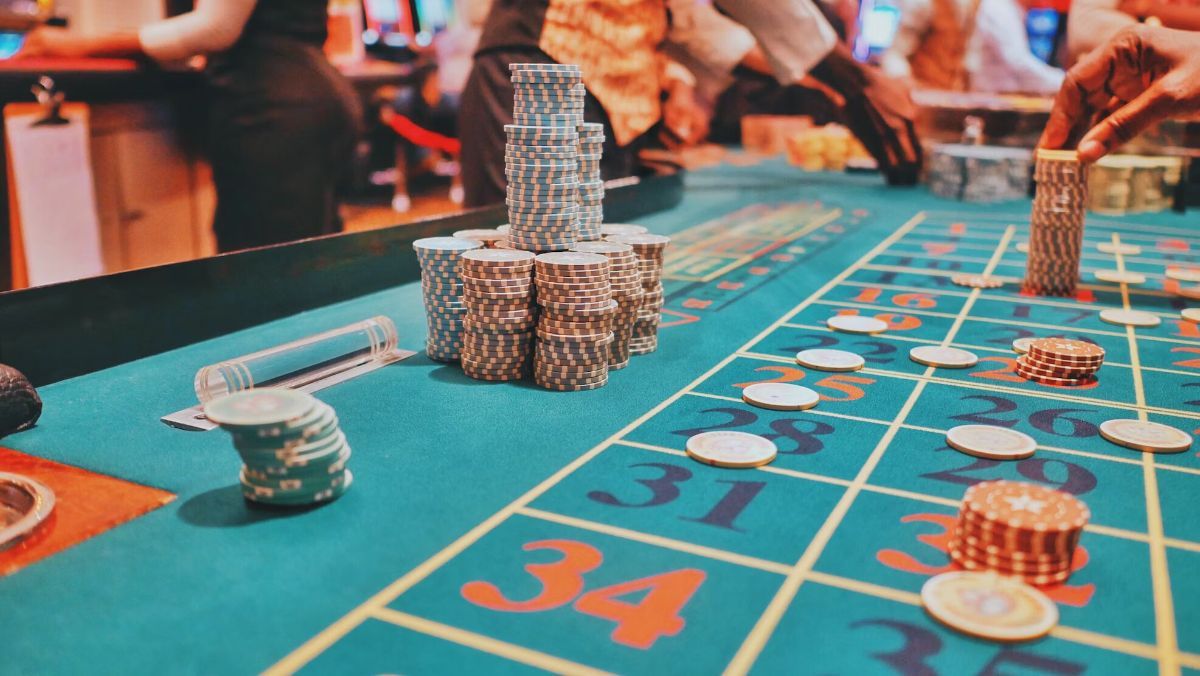
Conversely, the emotional impact of losses can be devastating. Many players grapple with feelings of disappointment, frustration, and even shame following a losing session. This emotional upheaval can instigate a cycle known as loss chasing, where players attempt to recoup their losses by continuing to gamble. This behavior can escalate rapidly, creating a downward spiral where emotional distress drives further gambling, often culminating in significant financial repercussions. Understanding this cycle is key to mitigating the risks associated with gambling.
Finally, gaining insight into the emotional aspects of gambling can foster better awareness and coping strategies. For those who recognize that their emotions influence their gambling behavior, taking breaks and practicing self-regulation can help alleviate negative consequences. By acknowledging and addressing the emotional roller coaster that accompanies gambling, players can manage their experiences more effectively, making informed decisions regarding their gaming habits while safeguarding their mental health.
Understanding the online gaming landscape
The advent of online gaming has significantly transformed the gambling landscape, presenting players with new psychological challenges and opportunities. As digital platforms become increasingly popular, understanding the psychology behind online gambling is essential for both players and operators. Online casinos frequently employ engaging graphics and interactive features to enhance the gaming experience, tapping into the same psychological triggers that attract players to physical casinos.
Furthermore, the convenience of online gambling can lead to impulsive behavior. Players can gamble from the comfort of their homes around the clock, removing barriers that might exist in traditional casinos. This easy accessibility can intensify tendencies toward compulsive gambling, causing individuals to wager more than they would typically consider in a physical setting. With the allure of anonymity, some players may feel emboldened to take risks they would usually avoid, further complicating their relationship with gambling.
Additionally, the online gaming industry has developed marketing strategies that cater to players’ psychological needs. With incentives like bonus offers and loyalty programs, these tactics create a sense of urgency and encourage repeated play. Understanding how such strategies influence player behavior can help individuals navigate the online gambling landscape more effectively. By recognizing the psychological factors at play, players can enjoy gaming responsibly while remaining aware of the potential pitfalls associated with online gambling.